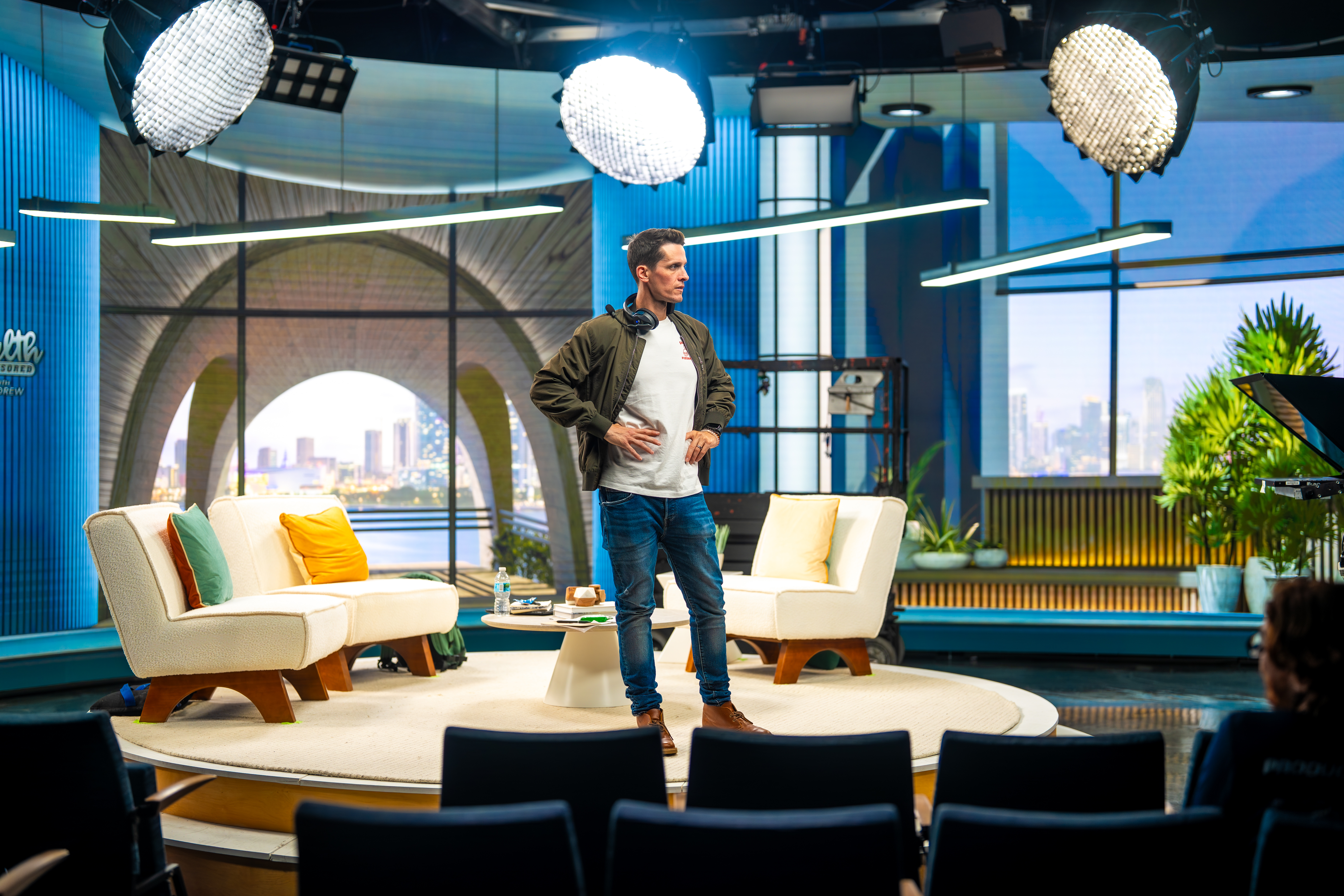
Service 03 · Directing
From Script
to Screen.
Feature films, television, documentary, and branded series — led from the first creative meeting through final delivery.
Feature films, television, documentary, and branded series — led from the first creative meeting through final delivery.
HMG's directing practice is built on a simple premise: every decision on a set — from lens choice to casting to the rhythm of a single take — should serve the story the script set out to tell.
Brian Hanford directs as a writer-director first. That means coming onto a project with a fully formed point of view, an intimate understanding of the script, and a clear sense of what each scene is actually about underneath the dialogue. It also means knowing when to hand the page back to the actors and let the moment happen.
We direct across scripted and unscripted alike — features, television, branded content, documentary, and original series — and bring the same creative rigor to a 90-minute holiday movie as we do to a six-part docuseries for a global streamer. Collaborative with producers, disciplined with the schedule, and obsessive about what ends up on the screen.
Four areas of directing work — each one a distinct discipline, all anchored by the same creative philosophy.
The creative and operational arc of every directing engagement — concise, collaborative, disciplined.
Script breakdowns, lookbooks, shot lists, tone references, and creative alignment with producers, DPs, and department heads. The work done here determines how smoothly the shoot will actually run.
Casting decisions, table reads, rehearsals where possible, and early collaboration with the key creatives — DP, production designer, composer, costume. Building the creative team as a single instrument.
On set, day-in day-out. Performance direction, shot selection, coverage decisions, and protecting the story's spine across the chaos of a shoot day. Fast when it needs to be fast. Patient when the scene demands it.
Working with editors through assembly, director's cut, and final locked picture. Sound design, music, color, VFX notes, and delivery to the network, studio, platform, or client. The story isn't finished until the final master is in.
Directing is the act of asking the same question a thousand times in a row — is this still the story we set out to tell? Everything else, the lenses, the blocking, the schedule, is just service to that one question.
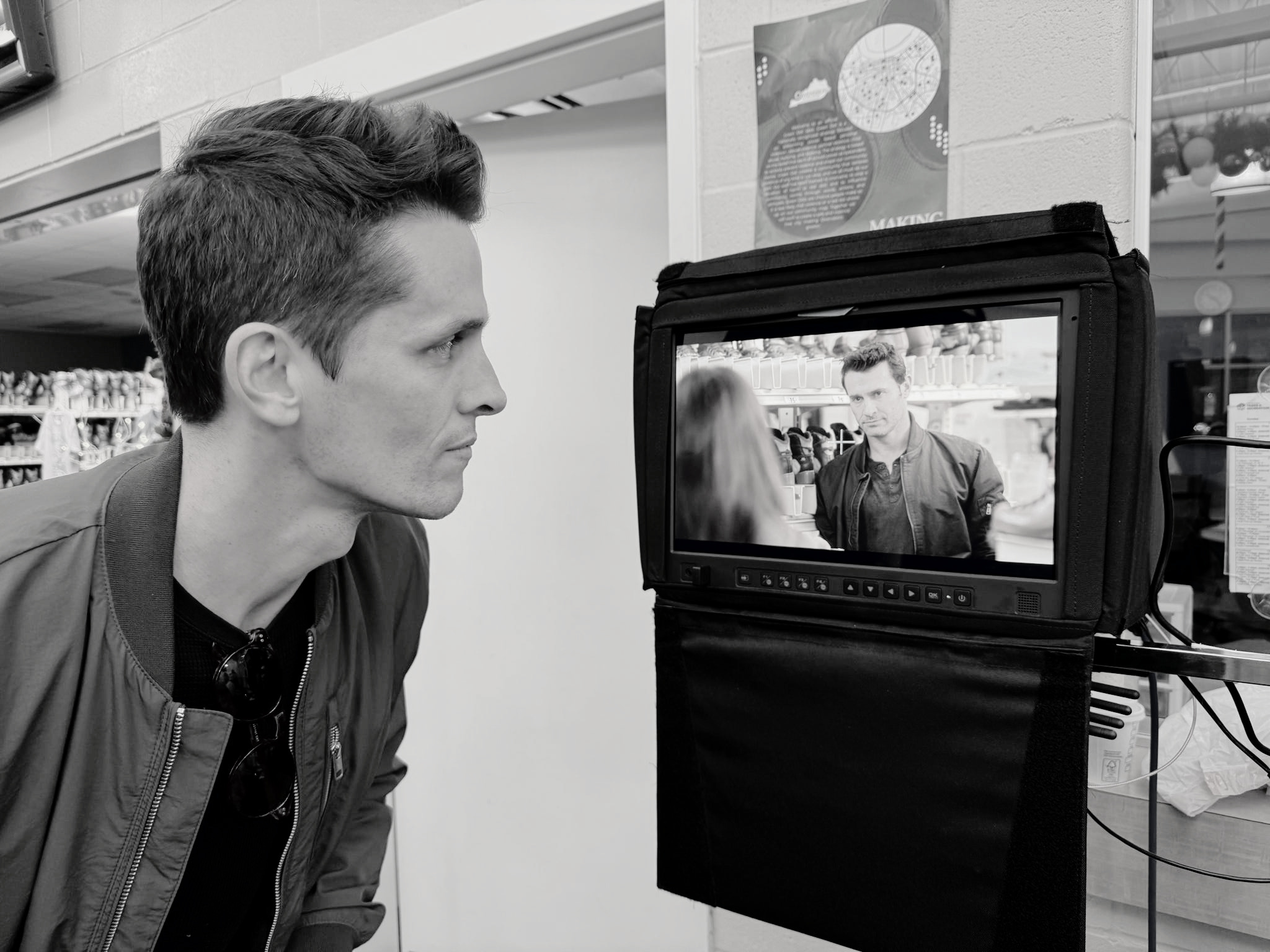
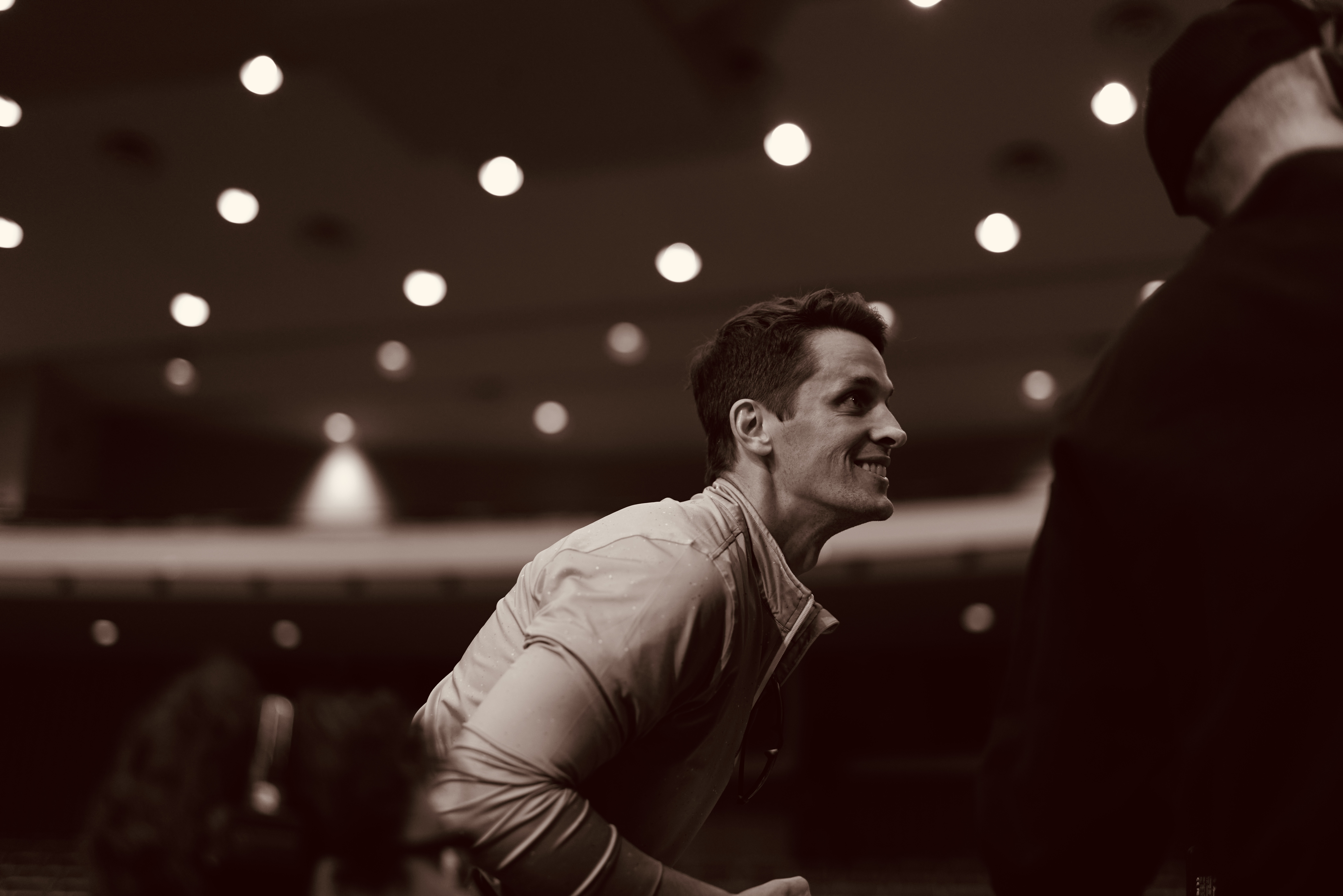
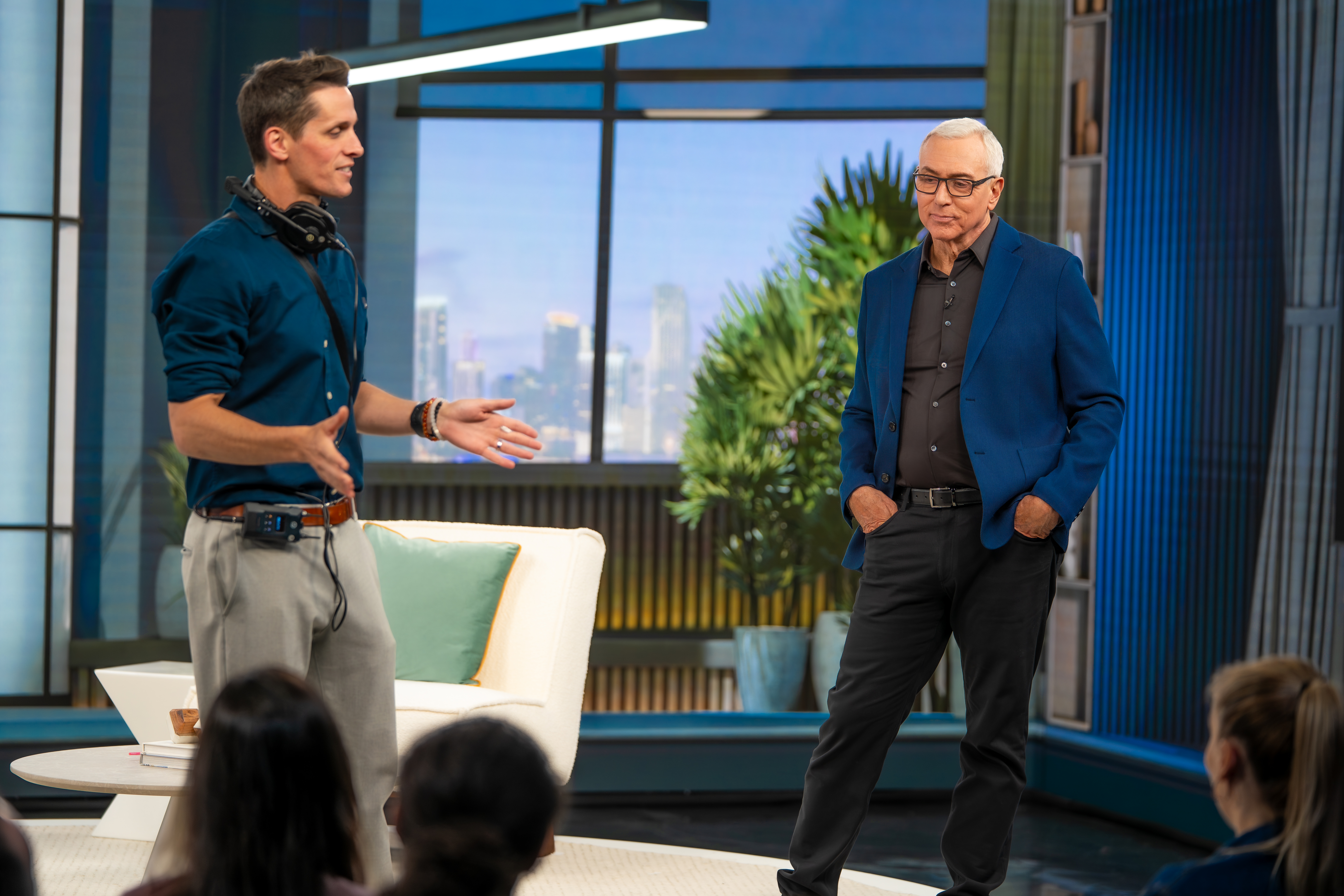
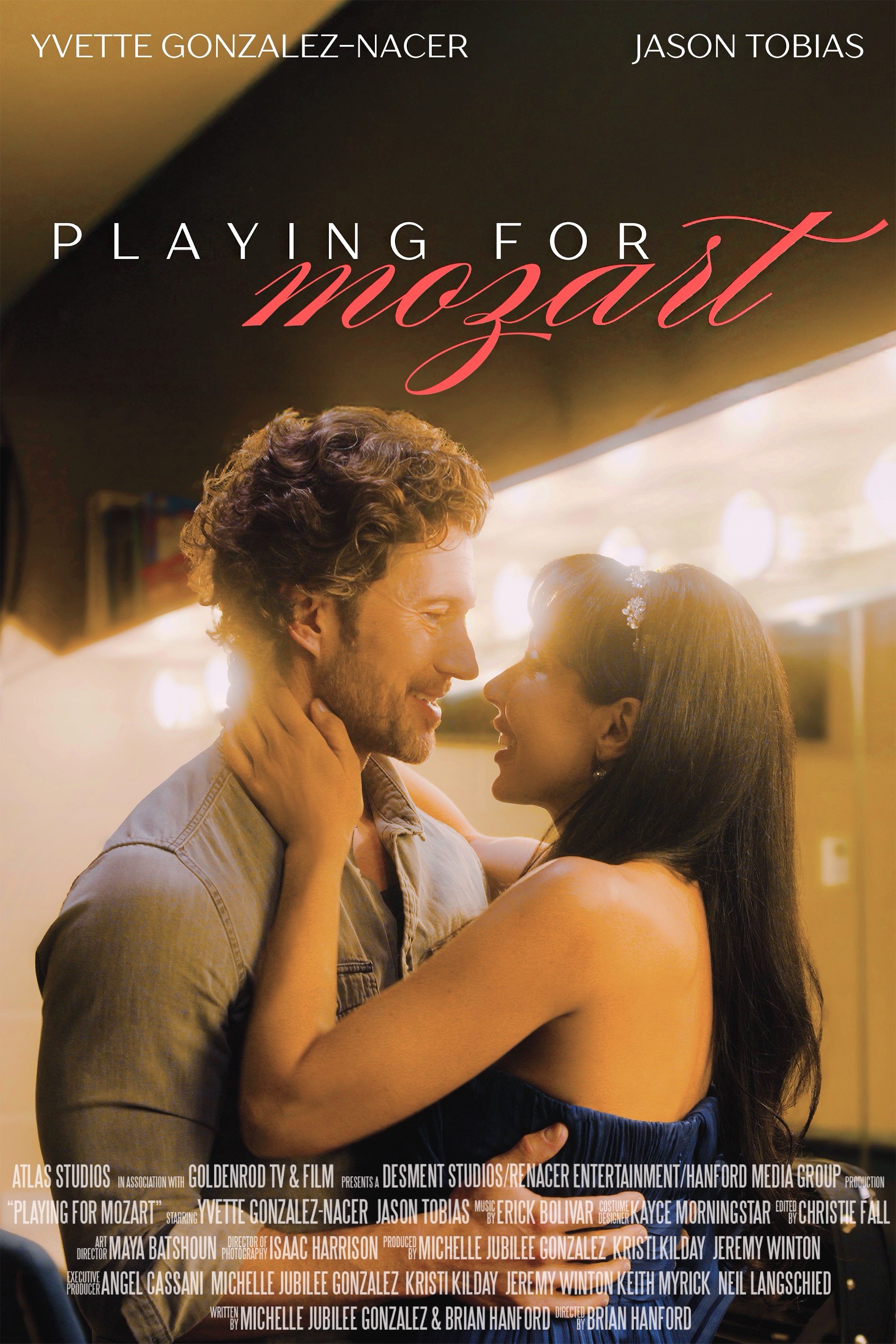
A sample of recent directing work across scripted features, television, and unscripted.

Scripted, unscripted, branded, or original — if you've got a project that needs a director who writes and a writer who directs, let's talk.